
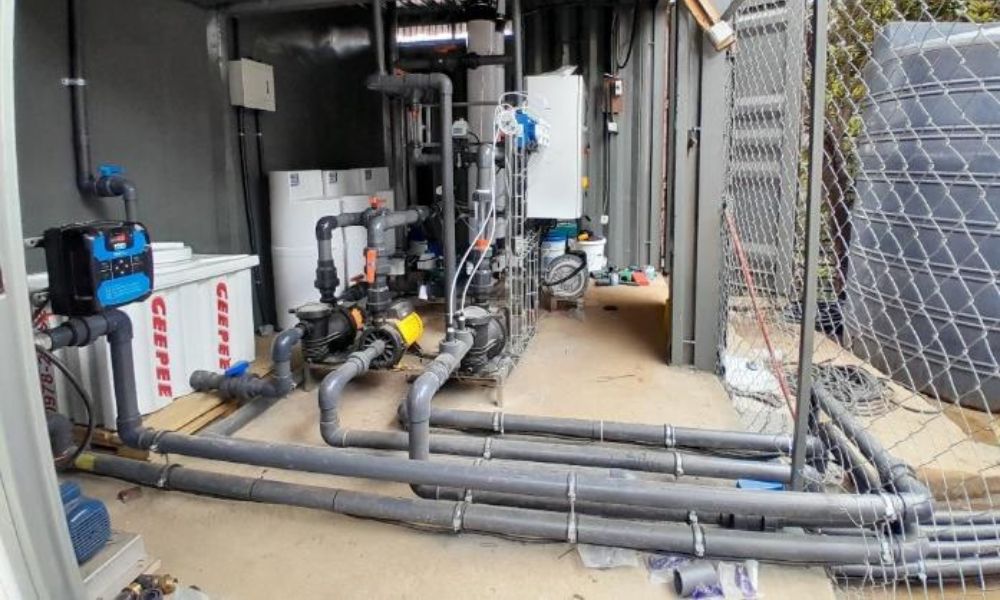
Water is an essential resource for the smooth functioning of any hospital, given its critical role in hygiene, patient care, and facility management. A hospital client faced a significant challenge in meeting its daily water demand of 30,000-35,000 litres. The available borehole water supply was abundant, but it did not meet potable water standards for general use or drinking purposes. The hospital required a water purification plant capable of treating the borehole water to ensure it was safe, clean, and in compliance with potable water standards for consumption and general usage.
Challenges
- The borehole water contained suspended matter, turbidity, iron, and color, which made it unsuitable for consumption or general hospital use.
- The hospital had stringent standards for water quality to ensure the safety of patients and staff, requiring a purification solution that would consistently meet these standards.
- The system had to provide a continuous supply of treated water while accommodating fluctuations in daily demand, which ranged from 30,000 to 35,000 liters.
Solution Overview-
The project was undertaken by Davis & Shirtliff (D&S), a leading provider of water and energy solutions. D&S designed and implemented a water treatment plant tailored to meet the hospital's specific needs. The system was engineered to deliver a net flow rate of 5,000 liters per hour, which was sufficient to meet the daily water requirements while ensuring the highest quality standards.
Key Components of the Solution
-
Ultra-Filtration (UF) System- Ultra-filtration was employed as a core component of the treatment process. This advanced filtration system was critical for removing suspended matter, reducing turbidity, and eliminating iron and color from the water.
-
Suspended Matter Removal- The borehole water contained fine particles that could cause blockages in pipes or damage medical equipment if not properly filtered. The UF system efficiently removed these particles, ensuring the water was clear and free from contaminants.
-
Turbidity Reduction- High turbidity levels can affect the appearance and quality of water, making it cloudy or dirty. The UF system helped bring the water to acceptable turbidity levels suitable for both drinking and general use.
-
Iron Removal- Excessive iron in the water can cause staining of surfaces and plumbing fixtures. It also imparts a metallic taste and odor, making the water unpleasant to drink. The UF system successfully removed iron content, enhancing the overall quality and taste of the water.
-
Color Removal- Borehole water often has a slight discoloration due to the presence of organic compounds or minerals. By using ultra-filtration, the system effectively removed this color, resulting in clean, clear water.
-
-
Disinfection with Calcium Hypochlorite- After the water was treated through ultra-filtration, it was subjected to a final disinfection process using calcium hypochlorite. This step was essential for eliminating any remaining microorganisms, including bacteria, viruses, and pathogens that could pose a risk to hospital patients and staff.
- Calcium Hypochlorite Disinfection- Calcium hypochlorite is a highly effective disinfectant used to maintain the water’s safety over time. This method ensured that the water remained safe for drinking and general use, preventing the growth of harmful microbes even in storage or during distribution throughout the hospital.
Outcome
The water purification system designed by D&S successfully addressed the hospital’s water quality challenges. The treated water consistently met potable water standards, making it safe for drinking, medical procedures, cleaning, and general hospital use.
-
Sufficient Water Supply- The system's capacity of 5,000 liters per hour ensured that the hospital could meet its daily demand of 30,000-35,000 liters without interruption.
-
Improved Water Quality- The combination of ultra-filtration and disinfection processes removed all harmful impurities, ensuring that the water was clear, colorless, and free from pathogens. This significantly reduced health risks for both patients and hospital staff.
-
Long-Term Reliability- The solution was designed for reliability, ensuring continuous operation with minimal maintenance, a crucial factor for hospitals that rely on a consistent water supply for critical operations.
This project demonstrates the importance of reliable water treatment systems in healthcare facilities, where water quality is directly tied to patient care and safety. By implementing an ultra-filtration system and disinfection process, D&S delivered a robust solution that not only met the hospital's water demand but also ensured compliance with potable water standards. The system continues to provide the hospital with a safe, clean, and dependable water supply, contributing to a healthier and more efficient facility.